What it is
We time the jobs done by hand — kitting, loading, packing, palletizing, machine tending, inspection — and rank them.
How it works
Kitting, loading, packing, palletizing, machine tending, inspection. One task, one station, then your team runs it.
01
We walk your floor and name the one task worth automating first.
We time the jobs done by hand — kitting, loading, packing, palletizing, machine tending, inspection — and rank them.
A plan to automate everything is why nothing starts. One task is a decision you can make.
You keep the task list and timings, even if you never hire us.
02
Working on your real parts before anything else on the floor changes.
We source the hardware, install it, train it on your parts, and run it until it holds pace on a normal shift.
Nothing else gets disrupted. If it fails, you lost one station, not a line.
Your team watches it learn your parts from day one.
03
What it picked, what it refused, where it hesitated.
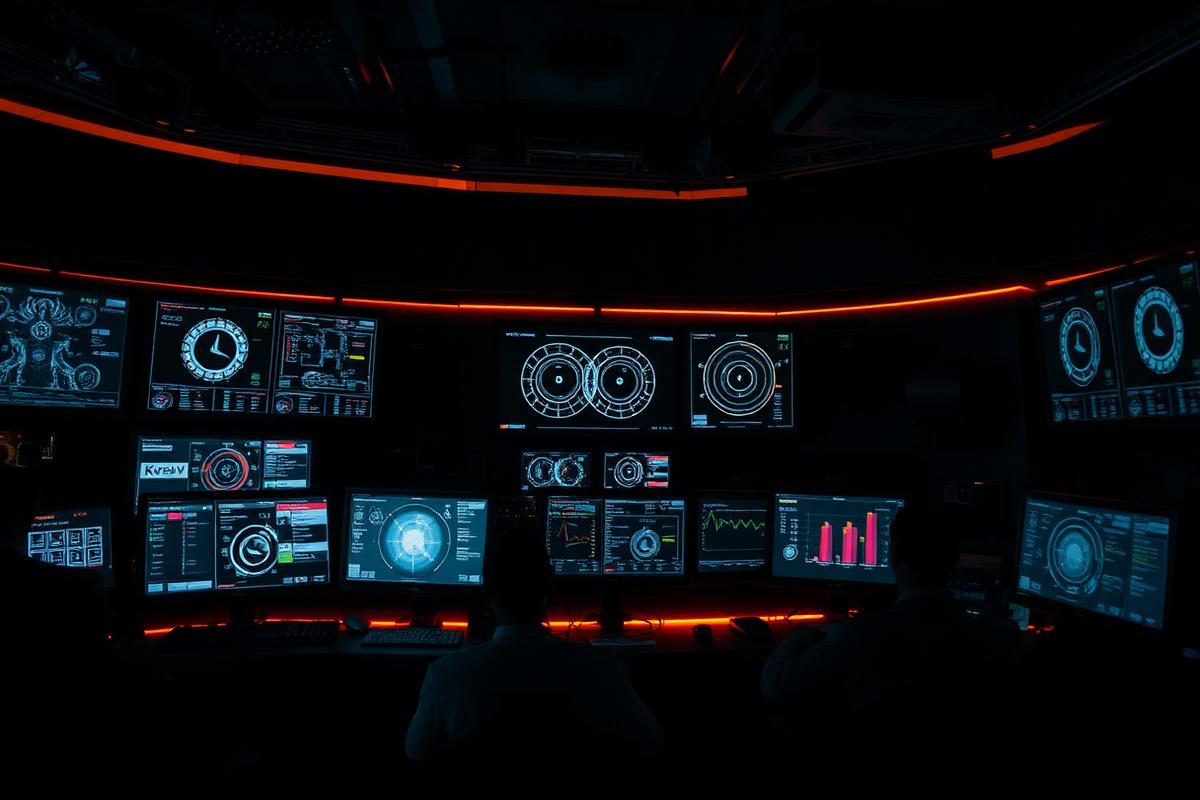
Every cycle and exception logged in one place your supervisors can read without an engineer.
A sealed machine blinks a code and tells you nothing.
The record lives in your systems. Export it any time.
04
New part, new carton — your team retrains it, not a vendor ticket.
Retrain on new parts and push to the station, with one-step rollback.
Most automation was dropped because it couldn't adapt. That's what we design against.
The trained model sits in your account and exports.
05
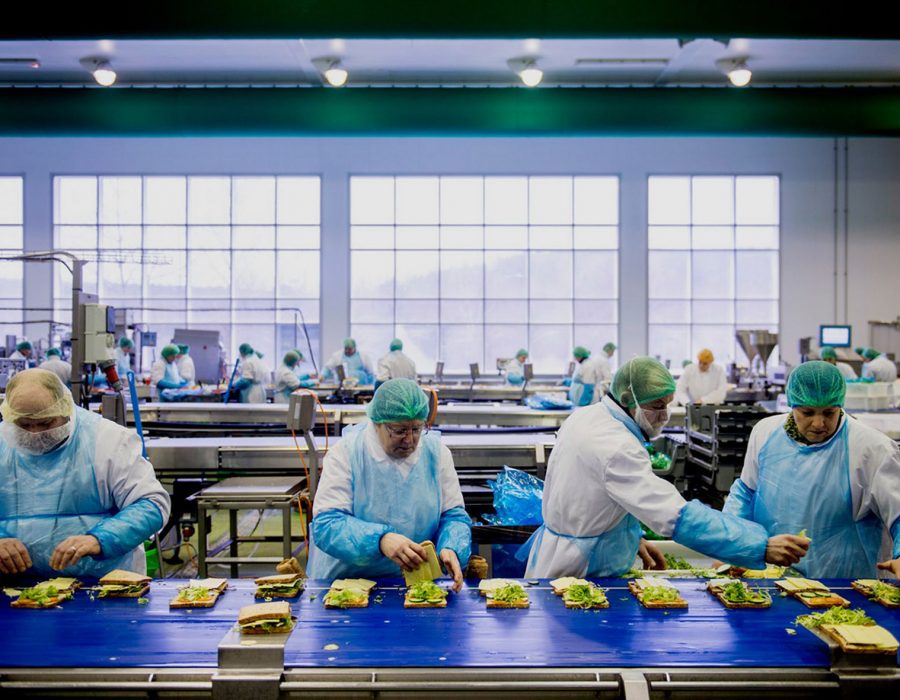
On site until your people can run it without us.
Through install, training, and the first weeks of production.
Automation dies at integration — your bins, your labels, your shifts.
We're done when your team changes something and it works.
06
Every update replayed against the station's past failures.
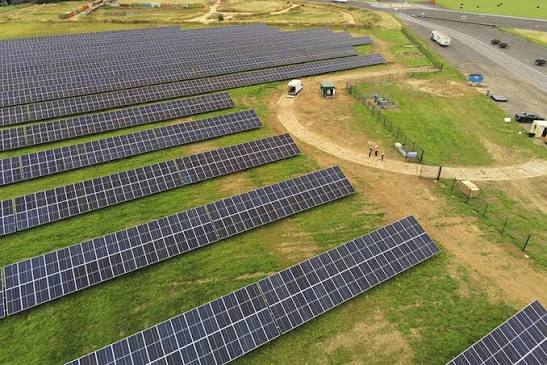
We keep the awkward cases from your line — crushed carton, bad label — and test changes on them first.
On a live line, a bad update is a stopped shift.
The failure library is built from your floor and stays with you.
07
The second station is your decision, not our roadmap.
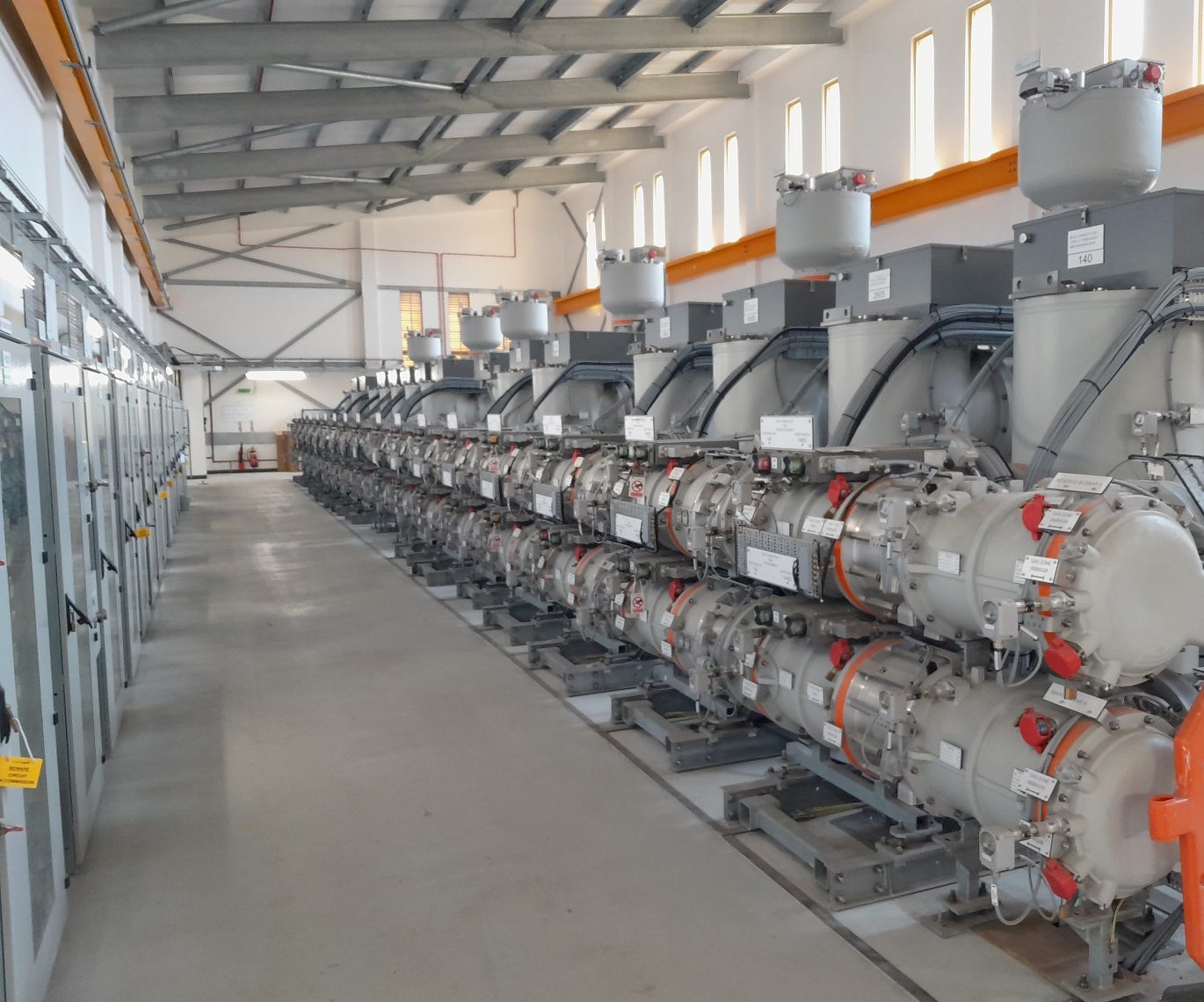
Same approach, next task — with the people and data already in place.
Which job gets automated next should follow your staffing, not a vendor plan.
No obligation to expand, no penalty for stopping.
The honest version
Switching costs you support, not the station. Nothing we hold can stop your line.
The doubts you already have
The station learns from examples of your parts, and your team retrains it when the mix changes, with one-step rollback. If your variation is beyond what's reliable today, we say so before you spend anything.
No. One task, one station. If it doesn't hold up, you lost a station, not a line.
That position stops needing someone on it every shift. It's usually the hardest role to keep filled, so most operators move those people to other work and stop reposting the req. If your plan is headcount reduction, that's your call — we won't pretend otherwise.
The question isn't fleet size — it's whether one task costs enough in staffing, injuries, or lost pace. If it doesn't, we'll tell you.
Fair. The difference is the station is trained on examples rather than programmed for one fixed case, and your team can change it.
Yes. Your data stays in your environment, the model is registered to your account and exportable. Ending the relationship doesn't stop your station.
No. We help you source hardware, then build and train the system on top. No hardware margin, no reason to steer you.
Pricing questions are answered on How we work.