Where we start
The job we'd automate first, by setting.
One named task per setting: what it costs today, what changes when it runs itself.
01
Warehousing & logistics
- Hard to staff
- Fatigue errors
- Capped by headcount
- Peak season
A worker at a bench pulls parts from bins and builds kits, all shift.
Where we'd start
Hard to staff, accuracy drifts as people tire, output capped by who showed up. Automated, the last kit of the shift matches the first — and your team can adjust it when the SKU mix changes.

02
Manufacturing & production lines
- Injury risk
- Turnover
- Pace-setting bottleneck
- Mixed products
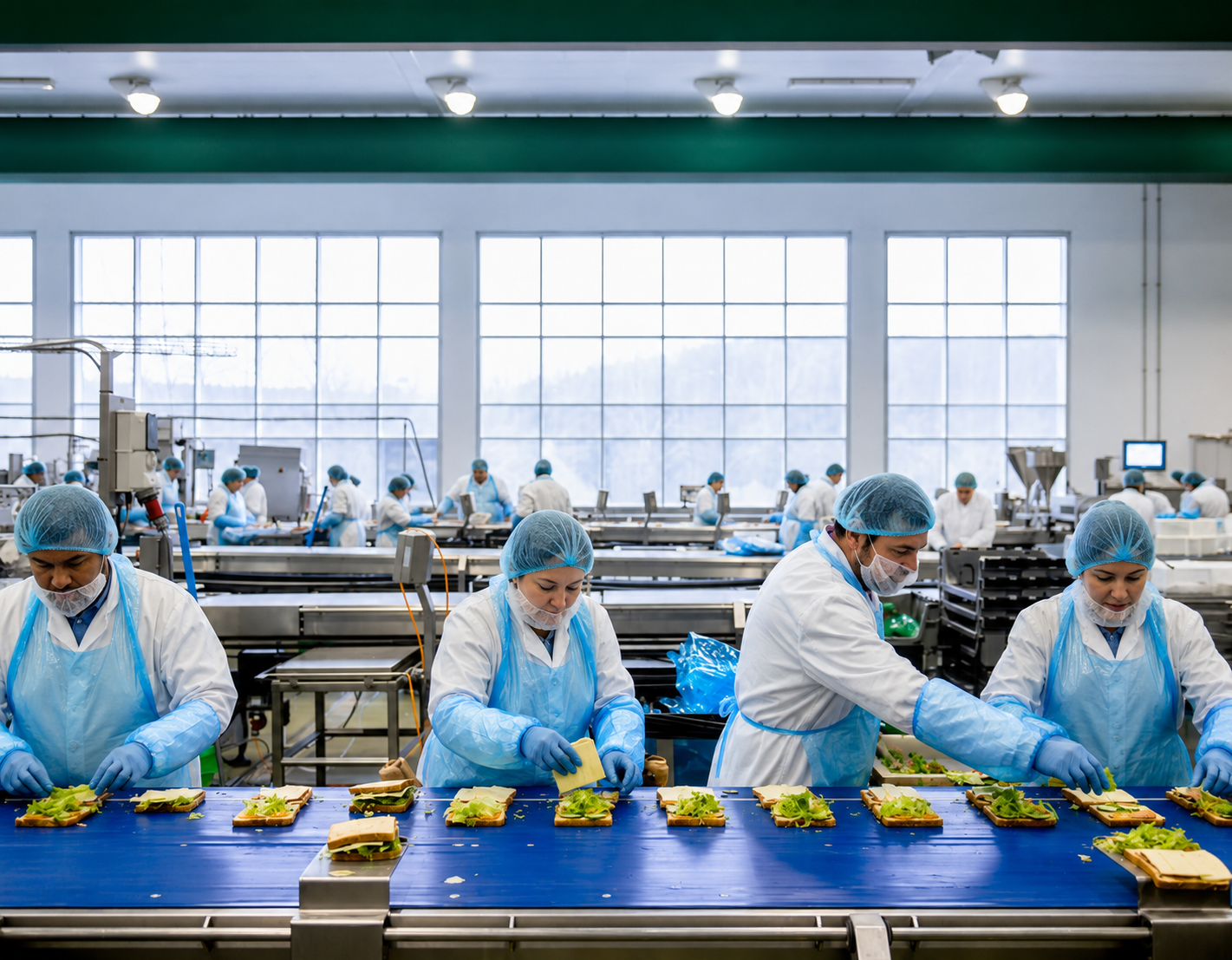
Someone lifts parts onto a conveyor by hand, all shift.
Where we'd start
It's the most common source of back injury and usually the line's bottleneck. Automated, pace stops depending on how tired someone is by 3pm, and the worst job on the floor goes away.
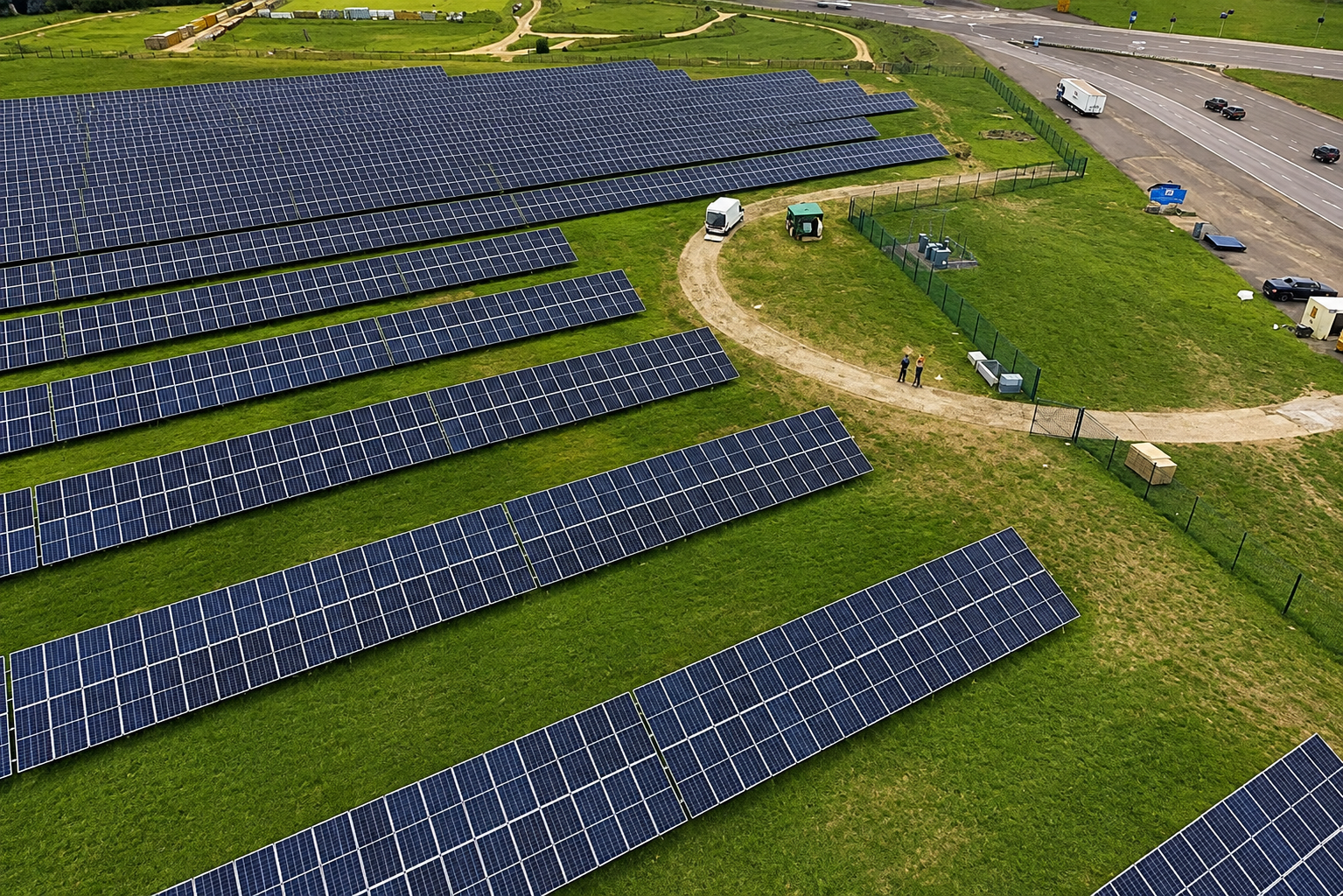
03
Energy & depots
- Night coverage
- Repetitive work
- Uptime
- Site variation
A person repeats the same handling task across every vehicle or unit, every day.
Where we'd start
Night shifts are hard to cover and the work is repetitive. One station holds the same standard on every cycle, and logs what it did.
04
Defense & critical infrastructure
- Data residency
- Disconnected sites
- Auditability
- Vendor independence
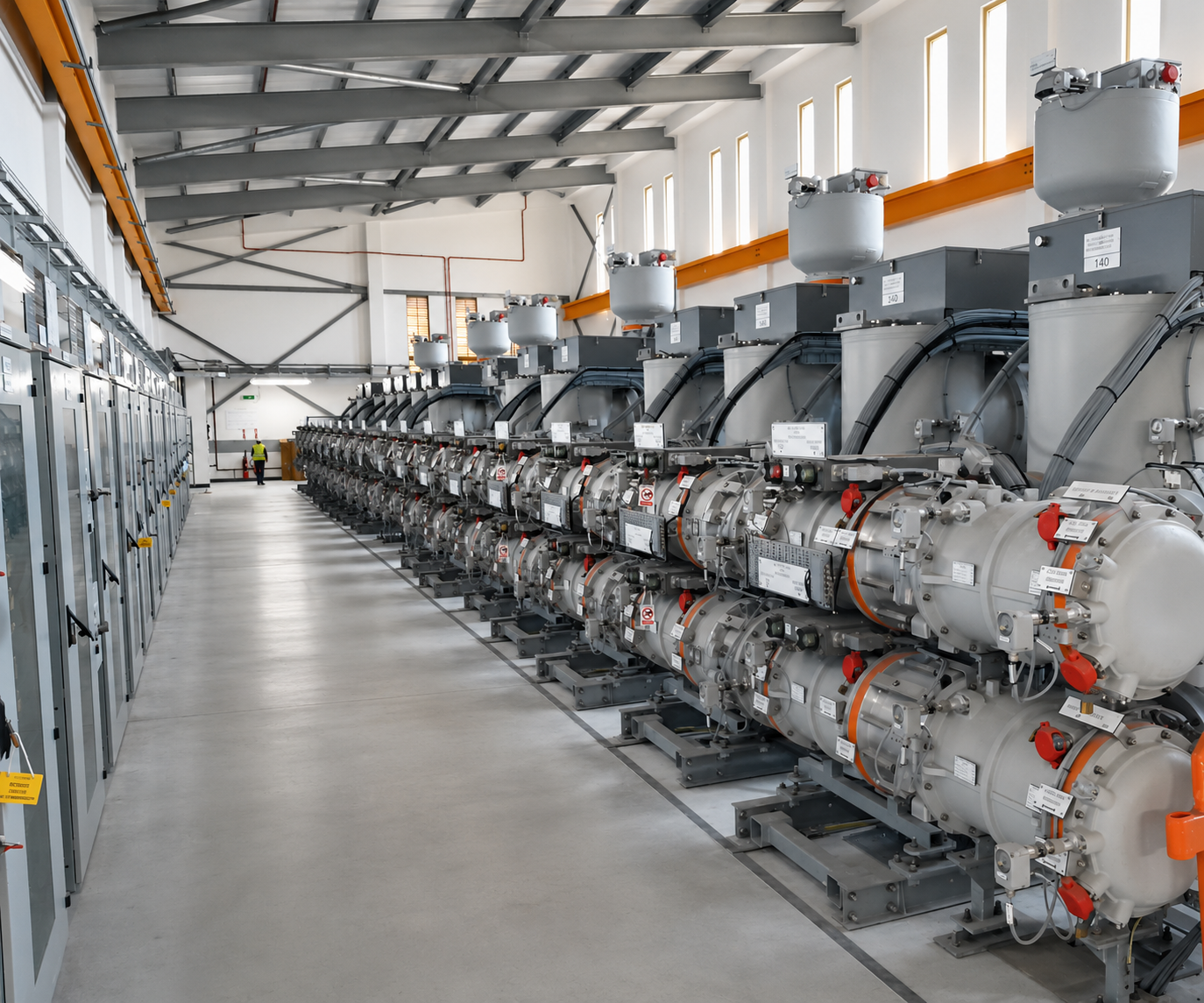
A person repeatedly moves or inspects the same items where errors are expensive.
Where we'd start
Data stays on your side and every model change is recorded and reversible — including at sites with no connectivity.